A tired metal building rarely needs new steel. The frame is usually sound, and the trouble is on the skin: leaking seams, rusted fasteners, faded panels, sagging gutters, failed sealant and insulation that stopped working years ago. Fix the skin and the building has a second life at a fraction of the cost of tearing it down.
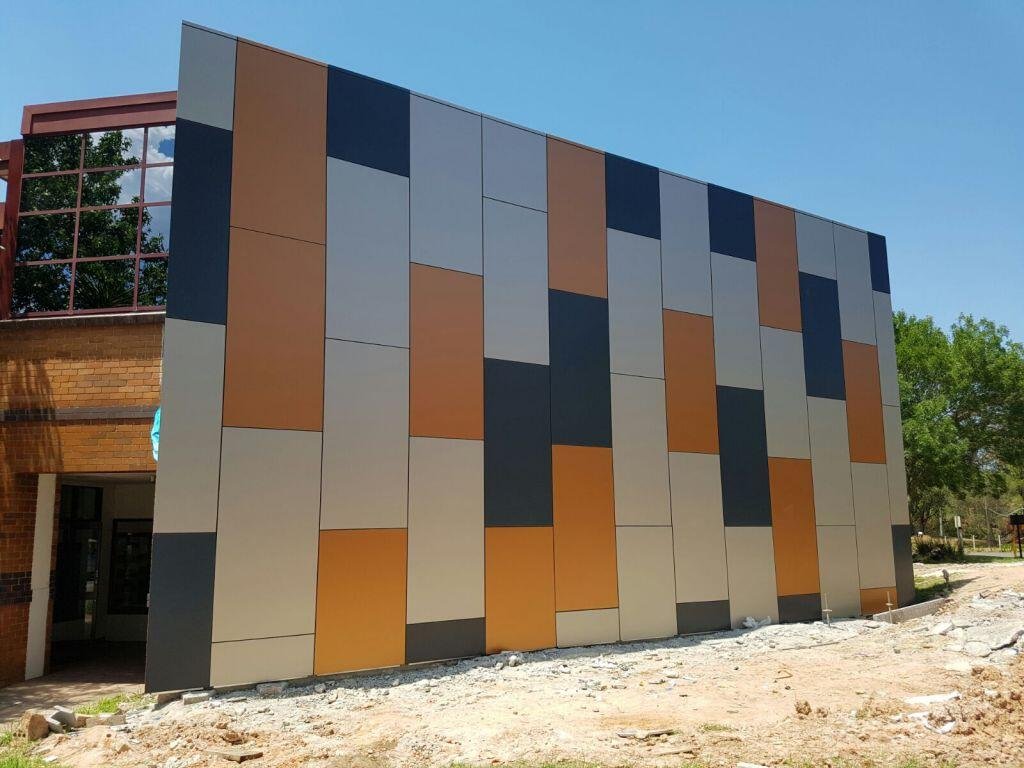
We re-skin, retrofit and repair metal buildings across Colorado. That covers new roof panels over or in place of the old, new wall panels, added insulation, new doors and trim, and structural repair where a collision, a snow overload or corrosion has done damage. We begin with a survey and name what we find: what can stay, what must go and what it costs.
Our price is per square foot of skin replaced, with a separate list for steel repairs. If we cannot see something, we say so and put an allowance on it instead of burying it in the total.
Why re-skinning is a Colorado habit
Energy-driven economies leave buildings behind. In Craig, Moffat County's 2020 assessed value was nearly $430 million with 62 percent from its top 10 taxpayers, all energy-related, and the county notes that plant and mine closures drive local redevelopment demand. the plant owner intends to retire the 448 MW Craig Station Unit 3 by January 1, 2028. When large employers change, the shops, warehouses and service buildings around them change use too, and a re-skin is often the cheapest way to prepare them.
Rifle is another case. It lies in the Piceance Basin, and its economy has cycled through booms and busts tied to the fossil fuel industry. Buildings from earlier cycles are sound steel with worn envelopes. Brush Industrial Park has a 272-bed correctional complex that has sat vacant from 2010 onward, a reminder that large buildings can sit idle for years while owners decide what comes next.
Survey first, then decide over or replace
The first decision is over or off. A new roof can sometimes be laid over the old with a framing system, which saves tear-off and keeps the building dry during work. But if the old roof is wet, the deck is rusted or the structure is near its limit, we take it off. We open test areas, check fasteners and purlins, and photograph the underside before we choose.
Loads come next. If the new roof is heavier or if codes have raised design snow loads since the building was built, we check the frames with an engineer. A building at the edge of its capacity might need extra purlins, bracing or a reduced-weight panel. We tell you before we order material, not after.
What we replace, repair and upgrade
Roofs are the usual start. We can install new exposed-fastener panels, or upgrade to standing seam for a longer life with fewer leak points. Walls get new panels or a cover-up system. Where energy cost is a problem, we add insulation or switch to insulated metal panels on the walls.
We also repair gutters, flashings, doors, skylights and fasteners, and we handle structural fixes: replacing damaged girts, straightening or sistering columns, and repairing connections. For buildings that have outgrown their space, we can combine the retrofit with a building addition so the old and new match.
What drives retrofit cost
Access and condition lead the list. A building with a clean roof and clear sides is cheap to re-skin. A building crowded by trees, tanks or neighbors, or one with rotten purlins, costs more. The profile of the panel, the gauge and the insulation choice come next, and then the trim.
Temporary protection is a real line item. If you cannot shut down, we install tarps, temporary roofing or interior protection while work proceeds. We list that cost separately and work in sections so we can close each one before the weather turns. A staged plan also lets you spread the spend across fiscal periods.
Safe, staged and documented
Old metal roofs are dangerous. Fasteners corrode, panels can be slick, and skylights can be hidden. We treat every roof as unsafe until proven otherwise, set fall protection and cover openings before anyone walks. Wet or icy surfaces stop the day.
We stage work so the building is dry at the end of each shift. We photograph each stage, mark hidden damage and keep you informed of any change. At closeout, you receive the warranty paperwork, the panel and fastener data and a record of what we found. That documentation helps with insurance and future sales.
Re-skin work around the state
We work wherever a building has good bones and a worn skin. On the plains, that means farm, shop and storage buildings; in the mountains, public works and utility buildings; and in the metro area, aging industrial boxes. In Brush, Craig and Rifle, we see buildings left over from earlier industry cycles.
Common owners include self-storage operators upgrading older facilities, municipalities with government and municipal buildings, and landlords with older warehouses. We start with a site visit and a written condition report.
Get a condition report and a price
Send photos and the building age, and we will schedule a visit. You will get a written condition report and a price per square foot for the skin.
Related Pre-Engineered Metal Building Construction Services
Next Step
Plan This Project With Us
Tell us about the site, the building and the schedule, and we will set up a review of scope, schedule, permits and inspections.
Common Questions
Re-skinning is usually much cheaper when the frame is sound, since you keep the foundation, frame and utilities. If the frame is damaged, undersized for current snow loads or the layout no longer works, replacement may be better. We give you both numbers when the case is close.
Often yes, with a framing system that carries the new panels and keeps the old roof in place. It saves tear-off and disposal. It is not suitable when the old roof is wet, badly corroded or already near the structure's load limit.
We work in sections and dry in each at the end of the shift. For occupied buildings we install interior protection and plan around forecast storms. If we find hidden damage, we stop, document it and agree on the fix before continuing.
Not always. Rules for existing buildings differ by jurisdiction, and many projects only need to meet the code for the new work. Colorado codes are set locally, so we check with your building department. Energy code changes can apply to a re-roof or wall replacement, particularly where insulation is added.
We inspect and report. Surface rust may be treated and coated. Section loss in girts, purlins or columns is repaired or replaced, often with an engineer's detail. We price structural repair separately from the skin so you see what is cosmetic and what is essential.
PROJECT REVIEW
Tell us about the site, the building and the schedule, and we will set up a review of scope, schedule, permits and inspections.
SERVICE AREAS
See the Colorado communities where we plan and manage pre-engineered metal building construction.