When a town's biggest taxpayers are changing, the buildings that come next tend to be practical ones: shops, yards, storage, light fabrication. We build those in steel around Craig. A rigid-frame metal building is quick to erect, easy to expand, and priced by the square foot with no mystery, which is what an owner wants when the market is in motion.
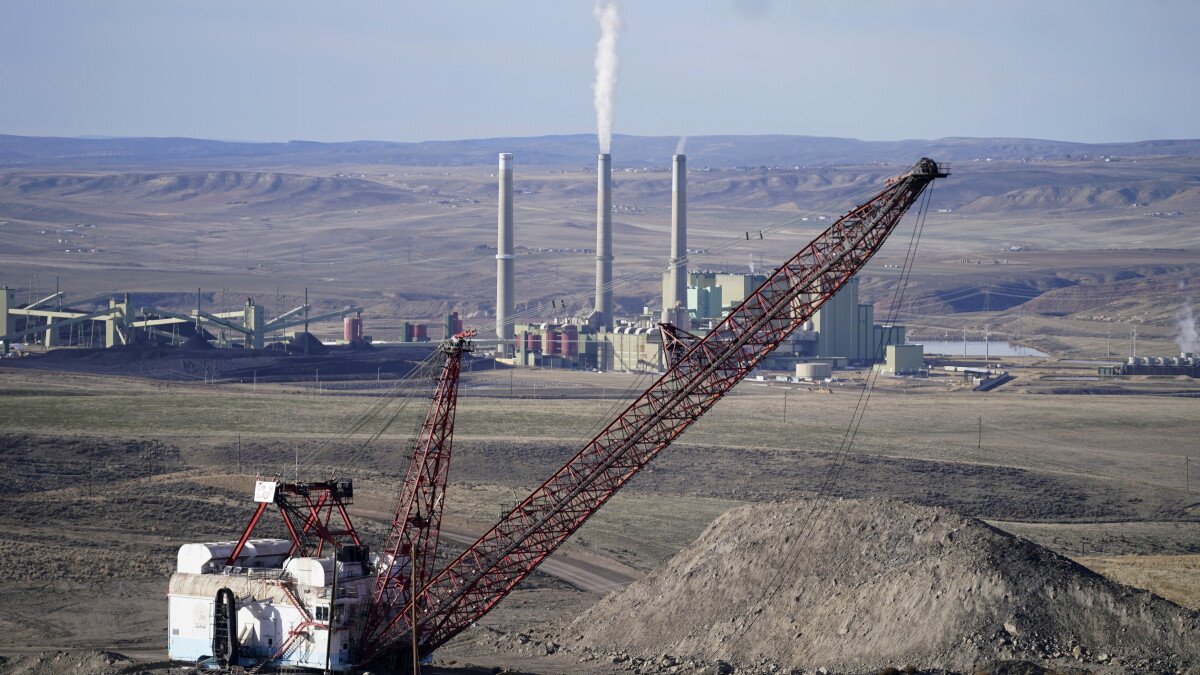
The local picture is plain from the public record. Craig Station is a three unit coal plant with 1,285 megawatts of total capacity. It employed 180 people in January 2022, with nearly 115 more at the mine that feeds it, and plant workers averaged about $100,000 a year against about $40,000 for the county. When jobs like that change, buildings follow: contractor yards, equipment shops, trades supply and new small employers who need a roof over a floor.
What the plant schedule means for building demand
Tri-State's 2025 annual report says it intends to retire the 448 MW Craig Station Unit 3 by January 1, 2028, and Unit 2 (Tri-State share 98 MW) by September 30, 2028. Unit 1 was planned to retire by December 31, 2025, but on December 30, 2025 the owners received a U.S. Department of Energy emergency order under Section 202(c) to keep it available to operate for 90 days, and a rehearing request was denied by operation of law in March 2026. We do not predict what happens next, and neither should you. The dates simply tell a buyer that the local economy is mid-change.
Moffat County's 2020 assessed value was nearly $430 million, with 62% from its top 10 taxpayers, all energy-related. Property tax is the county's largest revenue source, so plant and mine closures drive local redevelopment demand. We read that as an opening for smaller, flexible buildings. A flex light industrial building can serve one tenant now and another later, which is a safer bet than a purpose-built shed. Small manufacturing and fabrication shops are the likeliest tenants, and they care about door height and floor load more than looks.
Build windows on U.S. 40 and Highway 13
Craig sits at about 6,198 feet on U.S. 40, and State Highway 13 runs south from Craig to Interstate 70 and north to the state line. Steel arrives by truck on those roads, so we confirm the route and the seasonal condition of each before we book a delivery. Winter weather can hold a flatbed, and a crew standing around costs money.
Our schedule rule is simple: foundations in the dry months where we can, steel in the next window, roof dried in before deep cold. When an owner wants a building running before the heating season, we work back from that date and tell you now if the lead time cannot make it. We name the lead time at quote and update it in writing if mill or fabrication schedules shift.
Yards, shops and storage buildings
The common Craig orders: equipment maintenance bays with overhead doors, parts and warehouse buildings, and enclosed storage for contractors. A few owners want a front office on the same frame, so we price an industrial office buildout inside the shell as a separate scope. Others need a cold, dry storage building with no insulation at all, which costs far less.
Look at your own equipment before you sketch a footprint. Door height depends on the tallest truck, and bay depth depends on the longest trailer. We will frame to those dimensions and add a crane or a mezzanine only if you ask. If your needs go beyond a single shop, our commercial metal buildings work covers retail strips and offices on the same kind of frame.
Working near industrial plants and active yards
Some Craig jobs sit next to operating industrial sites, haul roads or utility corridors. We start with a site safety walk, mark overhead lines, set exclusion zones for crane swing and agree on entry procedures with the owner. If the parcel is inside a controlled area, we get the owner's access rules in writing before mobilizing.
Erection is the dangerous part. We use fall protection on the frame, tie off at the eave and keep the steel crew's lay-down away from live traffic. A jobsite that is clean and marked is faster than one that is not, so we treat safety as a schedule tool, not a paperwork requirement.
What we manage on the steel
We schedule and inspect the crews that set primary frames, purlins, girts, wall and roof panels, trim and doors. Steel erection and the building envelope are the pieces that decide whether a project finishes on time, so we do not hand them off. For heavier frames or upgrades, our structural steel erection scope covers custom steel when a catalog building does not fit.
When a project needs something outside a standard kit, such as a taller eave, a canopy over a loading dock or an unusual door, we engineer the change with the building manufacturer rather than field-modify steel. That avoids rework and keeps the warranty intact.
Where the money goes
Steel tonnage, roof system, foundation and insulation are the four lines. Remote delivery adds freight, and we price it as its own line so there is no surprise. We also show a lower-cost version and a durable version of the roof, so you can choose on price or on life. The re-skin and retrofit option is worth a look if you already own a tired metal building: new panels on an old frame can cost far less than a new shed.
Ask for the number per square foot and the number per usable bay. Both tell you something different. We give both. Remote sites cost more to reach, and we price that haul the same way in nearby markets such as Steamboat Springs and Rifle.
Price a Craig steel building
Give us the parcel, the footprint and the use, and tell us if you want it heated. We will send back the load package, the steel lead time and a dollars-per-square-foot range, with the roof priced as its own line so you can compare options.
Related Service Areas
Next Step
Plan This Project With Us
Tell us about the site, the building and the schedule, and we will set up a review of scope, schedule, permits and inspections.
Common Questions
It is a judgment call, and we cannot make it for you. The public record shows retirement dates for Craig Station units in 2028 and an emergency federal order that kept Unit 1 available. A flexible steel building is lower risk than a custom plant because it can be resold, leased or expanded.
Size it to the longest piece of equipment, add working room on every side, and leave one bay to grow. Most owners outgrow a building quickly. A rigid frame is easy to extend at the endwall, so we often recommend a foundation sized for a future bay.
Steel comes on flatbeds over U.S. 40 and Highway 13. In bad weather trucks get held. We schedule deliveries with a buffer and tell you when the weather is likely to cost days. Foundations in dry months and steel in the next window is our usual plan.
Yes. We frame both on the same pad layout and price insulation separately. A heated shop needs insulated panels or a liner and batt system. The cold building can stay uninsulated and cost much less.
We do that too. We inspect the frame, check purlin spacing and condition, and price new panels, trim and fasteners. Sometimes the frame is sound and a new skin extends the building for far less than a replacement. Other times we tell you it is not worth it.
PROJECT REVIEW
Tell us about the site, the building and the schedule, and we will set up a review of scope, schedule, permits and inspections.
SERVICE AREAS
See the Colorado communities where we plan and manage pre-engineered metal building construction.